The Rising Tide
Why Serious Collectors Are Turning to Chinese Imperial Artifacts in 2025?
While traditional investment markets experience volatility and tech stocks fluctuate wildly, a quieter revolution is taking place in the world of tangible assets. Sophisticated collectors and family offices are increasingly allocating capital to Chinese imperial artifacts—not as speculation, but as strategic portfolio diversification backed by millennia of proven value retention.
The Numbers Tell a Story
According to Artprice’s 2023 Chinese Art Market Report, the market for authenticated Chinese antiquities has demonstrated remarkable resilience:
- Overall Chinese art and antiques market reached USD 8.2 billion in 2023, up 12% from 2022.
- High-quality imperial artifacts (authenticated pieces from major dynasties) appreciated an average of 8-15% annually over the past decade.
- Museum-quality bronzes and ceramics significantly outperformed this average, with some categories seeing 20-30% annual appreciation.
- Default rates on art-backed lending (using Chinese antiquities as collateral) remained below 2%—lower than most traditional asset classes.
But raw numbers don’t capture the full picture. What’s driving this renewed interest isn’t merely financial—it’s a convergence of cultural, demographic, and technological factors reshaping how we think about heritage assets.
Five Forces Driving the Market
1. China's Growing Cultural Confidence
As Chinese economic power has grown, so has national pride in cultural heritage. Wealthy Chinese collectors—both institutional and private—are actively repatriating artifacts that left China during the 19th and 20th centuries. This creates sustained demand pressure, particularly for museum-quality pieces.
2. Generational Wealth Transfer
The Knight Frank Wealth Report 2024 notes that Asian ultra-high-net-worth individuals (UHNWIs) are expected to grow by 38% over the next decade—the fastest rate globally. Many of these wealthy families view Chinese art and antiquities as both investment and cultural identity preservation.
3. Finite Supply Meets Growing Demand
Unlike stocks or bonds, authentic imperial artifacts cannot be created or replicated. Major museums have withdrawn from the market as active buyers (due to ethical concerns about looting), meaning more pieces remain available to private collectors. Yet total supply continues declining as pieces enter permanent institutional collections or family trusts.
4. Portfolio Diversification Needs
Traditional 60/40 stock/bond portfolios face challenges in low-interest environments. Alternative assets—including art and antiquities—offer non-correlated returns. Chinese imperial artifacts particularly appeal because they combine aesthetic enjoyment, cultural significance, and investment potential.
5. Authentication Technology Reduces Risk
Advances in materials science, digital imaging, and provenance research have made authentication more reliable. Technologies like 3D photogrammetry, X-ray fluorescence, and thermoluminescence dating reduce the ‘authenticity risk’ that historically deterred institutional investors.
What Smart Collectors Are Buying?
Not all Chinese antiquities perform equally. Based on auction data and market analysis, certain categories show particularly strong fundamentals:
Bronze Age Ritual Vessels (Shang & Zhou Dynasties)
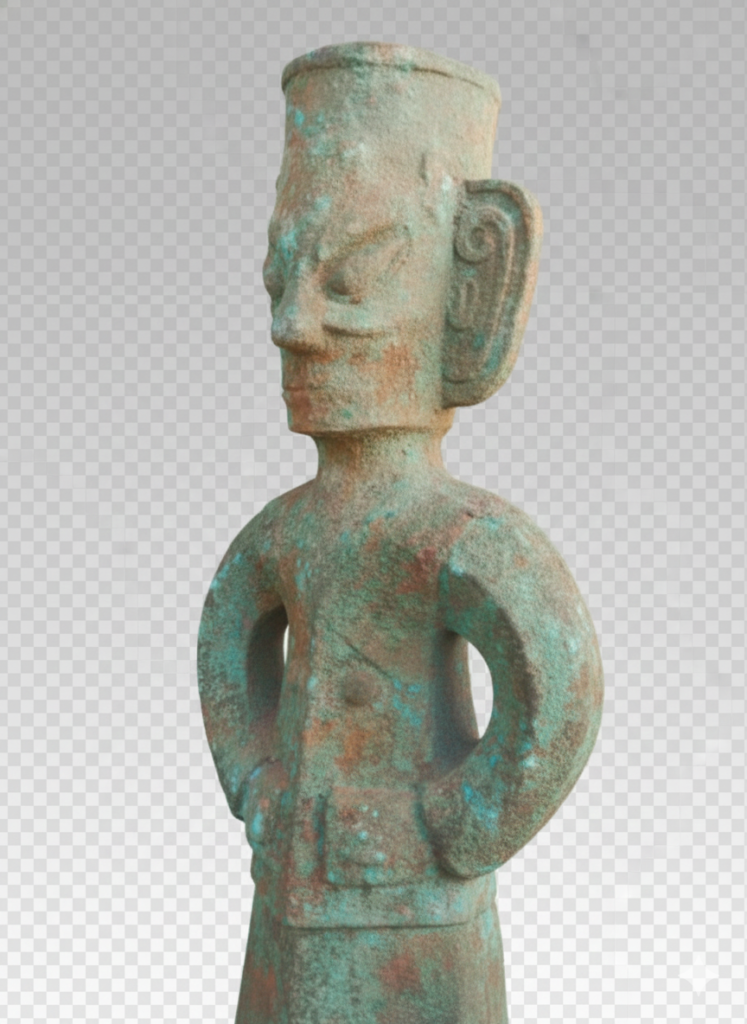
These represent the foundation of Chinese civilization and are exceedingly rare in private hands. Pieces with clear provenance and strong authentication can command seven-figure prices. The market has shown consistent 12-18% annual appreciation for museum-quality examples.
Imperial Ceramics (Song, Ming & Qing Official Kilns)
Pieces from imperial kilns—particularly those with reign marks and exceptional glaze quality—remain highly sought after. The 2021 Christie’s sale of a Ru ware brush washer for USD 37.7 million demonstrates the ceiling for this category, while more accessible pieces from Ming and Qing official kilns regularly achieve six-figure results.
Scholar's Objects and Decorative Arts
Jade carvings, lacquerware, and cloisonné from Ming and Qing periods represent an accessible entry point for serious collectors. While less expensive than bronzes or imperial ceramics, well-documented pieces from this category have shown steady 6-10% annual appreciation with lower volatility.
The Risks Collectors Must Navigate
Despite strong fundamentals, the Chinese art market presents challenges that require careful navigation:
Authentication Complexity
The market contains sophisticated forgeries, some created centuries ago. Working with reputable dealers, insisting on scientific analysis, and understanding authentication markers are essential. The cost of thorough authentication (USD 5,000-20,000 for comprehensive testing) is justified for significant acquisitions.
Provenance Challenges
Many Chinese artifacts lack complete provenance documentation, particularly pieces that left China during the 19th and early 20th centuries. Collectors must balance provenance ideals against market realities, focusing on post-1970 ownership documentation (the UNESCO Convention cutoff) and ensuring legal acquisition.
Liquidity Considerations
Unlike publicly traded securities, selling museum-quality artifacts takes time. Auction houses typically work on 4-6 month cycles, and private sales require finding qualified buyers. This is an asset class for patient capital, not quick flips.
Looking Forward: Market Outlook 2025-2030
Multiple factors suggest continued strength in the Chinese imperial artifacts market:
- China’s GDP is projected to surpass the United States by 2030, creating more wealthy collectors with cultural affinity for these objects.
- Museum construction continues across Asia, with new institutions seeking founding collections.
- Blockchain and NFT technologies may enable fractional ownership, expanding the collector base.
- Major Western museums are deaccessioning Chinese artifacts amid repatriation pressures, releasing quality pieces to the market.
- Educational initiatives are creating more knowledgeable collectors who appreciate quality over mere age.
The tide is indeed rising. The question for serious collectors is not whether to participate in this market, but how to do so intelligently—with proper authentication, transparent documentation, and genuine appreciation for what these objects represent.
“In an era of digital ephemera and manufactured scarcity, authentic imperial artifacts offer something increasingly rare: genuine connection to human excellence across millennia.”
Interested in exploring collecting opportunities or understanding market dynamics?
CKC Imperial Collections offers consultation services for serious collectors navigating the Chinese art market, with expertise spanning authentication, valuation, and strategic acquisition.
references:
- Artprice.com, “Chinese Art Market Annual Report 2023”; Deloitte Art & Finance Report 2024.
Knight Frank, “The Wealth Report 2024,” pp. 78-92.
Christie’s Hong Kong, Important Chinese Ceramics and Works of Art, May 2021 auction results.